Denver & the Front Range · Mold + Soot Remediation
Dry ice mold remediation for Denver's multi-family and commercial buildings — no chemicals, no water, no emptying the units next door. A typical unit or attic takes a day.
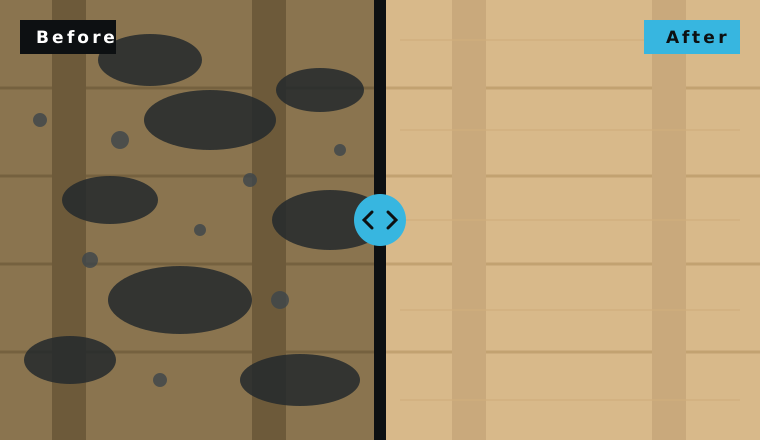
Every assessment includes a contained test patch when conditions allow — watch one square foot go from black to bare wood before you commit a dollar.
The pattern
Chemical treatments kill what they touch and leave the growth in the grain — and nobody follows up on the water. Six months later, you're paying to treat the same wall twice.
"There's a smell." "Is this safe for my kids?" Fair questions — and chemical remediation gives you hard answers to deliver: fumes, re-entry waits, days out of the unit. A dry, contained method lets you send the reply you'd want to receive: no chemicals, back home tonight.
Moisture doesn't respect unit boundaries. A wet remediation in 2B can become a humidity problem in 2C — and now one complaint is three.
Every extra day of remediation is a day of lost rent. Sanding takes days. Chemical treatments need dwell time and re-entry waits. Blasting a framed unit takes hours.
Colorado's warranty of habitability treats mold as a condition landlords must address promptly — on timelines measured in days, not weeks. When the complaint comes, you need a documented response, fast. (General information, not legal advice.)
When a complaint escalates, the vendor with no photos, no moisture readings, and no report leaves you defending a job you can't prove happened. Documentation isn't an extra here — it's the product.
The method
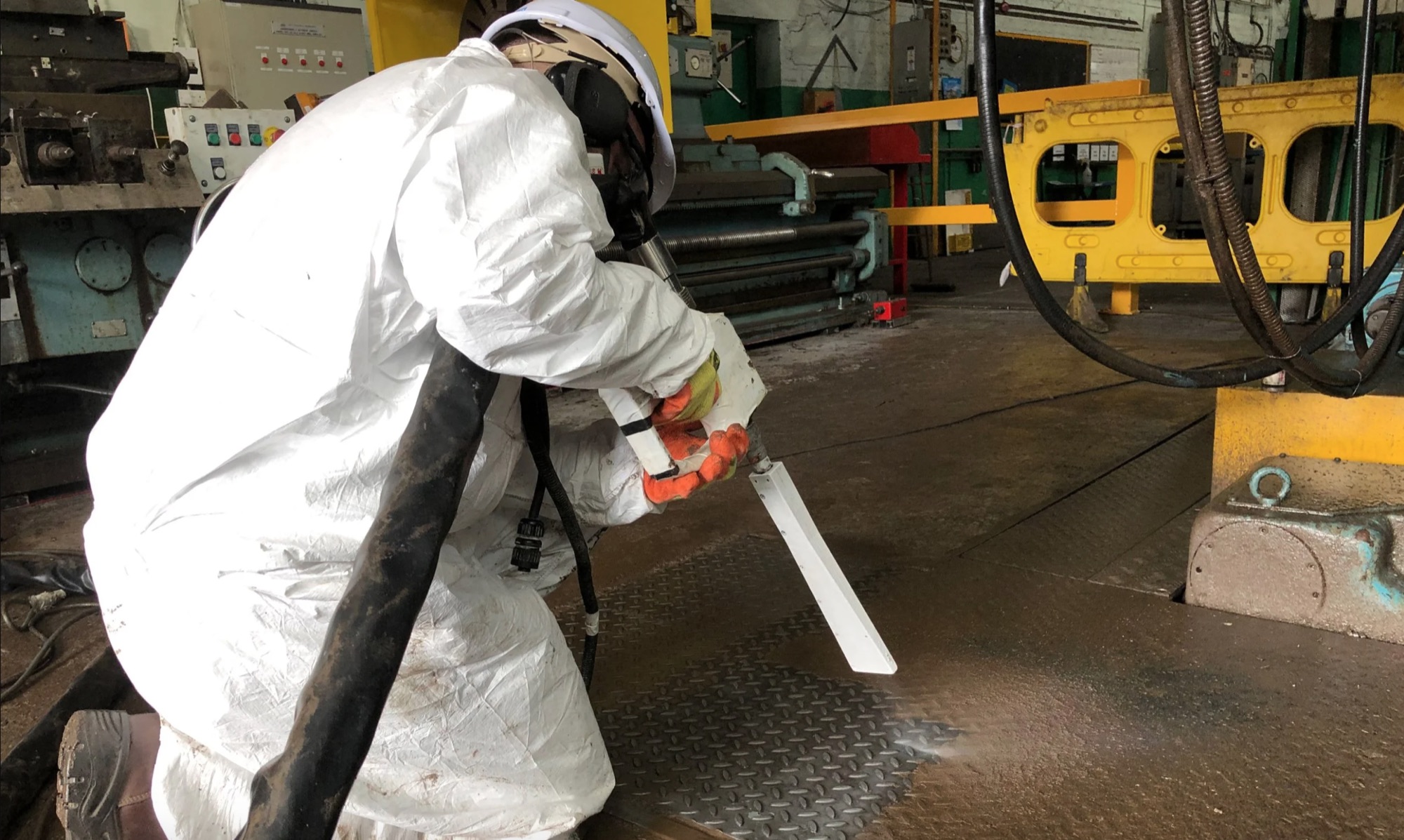
Dry ice pellets hit the surface at high speed, freeze the growth brittle, and lift it off as the pellet flashes into gas. Nothing is added — no water, no chemicals, no grit. Blasting does throw debris and spores into the air — which is exactly why the zone is sealed under negative-pressure containment with HEPA air scrubbing before the machine ever turns on. What's removed leaves in sealed bags on our truck; the surface is left clean, dry, and paint-ready.
| Dry ice blasting | Chemical / fogging | Encapsulation (seal-over) | Sanding & grinding | Soda blasting | |
|---|---|---|---|---|---|
| Occupied-building friendly | Yes — one contained unit at a time | Odor + re-entry waits | Yes (that's the pitch) | Days of dust | Residue spread |
| Adds moisture | No | Often | No | No | No |
| Time in a framed unit | Hours | Days (dwell + re-entry) | Hours | Days | Day-plus |
| Removes the growth — or hides it? | Removes | Kills in place, leaves it | Hides it — grows underneath when moisture returns | Removes + removes wood | Removes |
| Chemical residue | None | Yes | Coating | None | Alkaline residue |
| Surface damage | No material removed | No | No | Yes | Mild |
| Secondary waste | Only what came off | Overspray, containers | None | Dust + spent abrasive | Soda everywhere |
| Same-day paint-ready | Yes | After dwell + dry | n/a | After cleanup | After washdown |
How the methods compare on a framed, occupied unit. See how dry ice blasting works →
The result
Sanding an attic is days of miserable labor and dust; sealing over it just hides the growth from this inspection and hands it to the next one. Dry ice strips sheathing, rafters, and truss plates clean in hours — ready for the re-inspection photo.
Built for buildings with people in them
Habitability-clock cases: on site within 48 hours of your call. Everything else: assessment scheduled the same week.
Negative-pressure containment, HEPA air scrubbing, HVAC vents sealed. Neighbors stay home.
No water into your framing. No chemical odors into your hallways.
Before/after photos, moisture readings, likely-source notes — with every job, before the invoice.
Owner-operated. The people who quoted the job run the machine — and answer the phone afterward.
When dry ice isn't the right tool — drywall that needs replacement, wood that's rotten — we say so at the walk-through and tell you what is.
That mold never comes back. Mold is a moisture problem, and no treatment on earth changes that. What we promise: we take the growth off your structure without adding a drop of water, and our report documents where we found elevated moisture and the likely source — so your plumber or roofer can end the cycle for good. When the source isn't visible from our side of the drywall, we'll say so, and tell you which trade to call. Fix the water, and the work holds.
And if it does come back: if mold reappears within 12 months on a surface we treated and the moisture source we flagged was fixed, we come back and re-inspect free — and make it right.
Cleared to work on your site
How a job runs
Free on-site assessment. When conditions allow, we demo a small, contained test patch — one square foot from black to bare wood settles the question. Building older than about 1990? We screen for asbestos and pre-1978 lead paint before anything gets blasted — we'd rather cost you a day than a violation.
Schedule, containment plan, and the number — before anyone mobilizes. If opening it up reveals more than the scope covered, the machine stops and you get a revised written number before we continue. The invoice always matches the last number you approved.
We send you the tenant notice ready to forward — with what-to-expect and pet instructions. You handle entry notice per your lease; we confirm access the day before.
Contents in the work zone moved, covered, and photographed. Negative-pressure containment up, HVAC vents sealed, HEPA scrubbers running, CO₂ monitored from setup to cleanup. Most units and attic sections finish the same day. All debris leaves sealed on our truck — nothing goes in your dumpster.
Before/after photos, moisture readings, likely-source notes, re-inspection recommendations — in your inbox before the invoice. Doing third-party clearance testing? Paint after the results; we'll sequence it with you.
Tell us about the property. Most assessments happen within the week.
