Industrial & Equipment · Denver & the Front Range
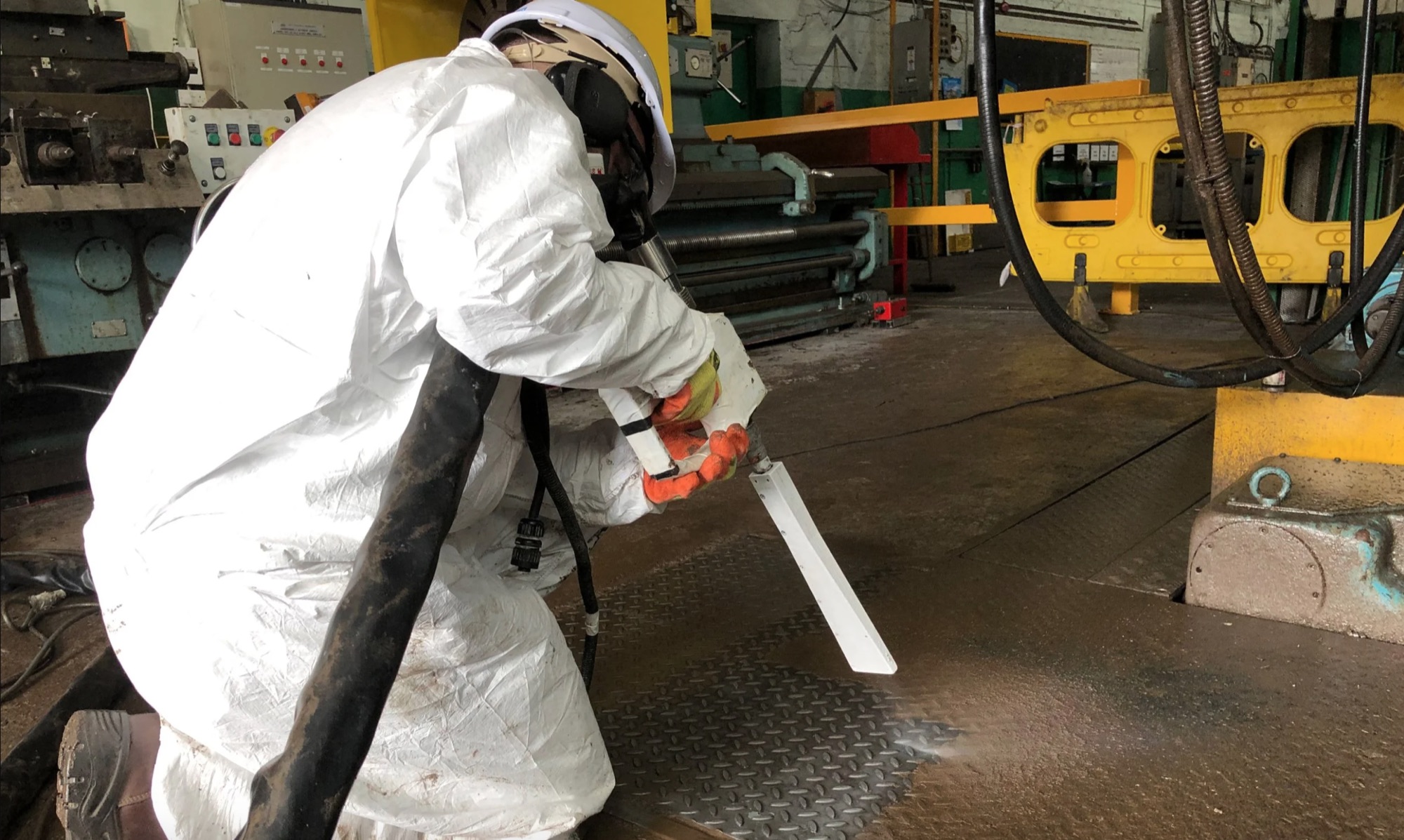
Dry ice blasting cleans machinery where it stands — assembled, in place, often still warm. No teardown hours, no solvent drums to dispose of, no water anywhere near the electrics. The line comes back up when we leave, not a week later.
Why dry ice on a plant floor
Most industrial cleaning starts with a teardown: hours of labor to pull guards, belts, and housings before anyone touches the buildup. Dry ice blasting skips that step — equipment is cleaned assembled, and often still warm from the last run. No teardown hours, no reassembly errors, and no abrasive grit working its way into the bearings.
Because the method is completely dry and non-conductive, it's safe around electrical gear — panels, motors, and wiring that would rule out pressure washing on the spot. And because the pellet flashes into gas on impact, there's no solvent disposal and no secondary waste stream: the only thing that leaves your facility is what came off the equipment, captured and sealed on our truck.
What we clean on a plant floor
If it's caked, coated, or carbonized onto equipment you can't tear down or get wet, it's probably on this list.
Scheduling
Nights, weekends, planned turnarounds — we schedule around your production, not the other way around. Tell us the window you can give us and we'll scope the job to fit it: which equipment, in what order, and what's back online by shift start. Most equipment jobs finish inside a single off-hours window, and because there's no rinse water or solvent dwell time, there's no drying-out period between our cleanup and your restart.
Worth saying plainly: Mile High Blasters is a new company, owner-operated — the people who quote your job are the people holding the nozzle. The method is not new. Dry ice blasting has decades of track record on production floors, from food plants to foundries. What you're evaluating is a proven industrial process in the hands of a crew that will tell you at the walk-through, honestly, whether it's the right tool for your equipment.
Most assessments happen within the week. Photos of the buildup speed everything up.
