3600 Brighton Blvd, Denver
- Report
- SAMPLE-003
- Date of service
- August 12, 2026
- Prepared for
- Platte River Forms & Flatwork
- Technician
- Thanh Vo
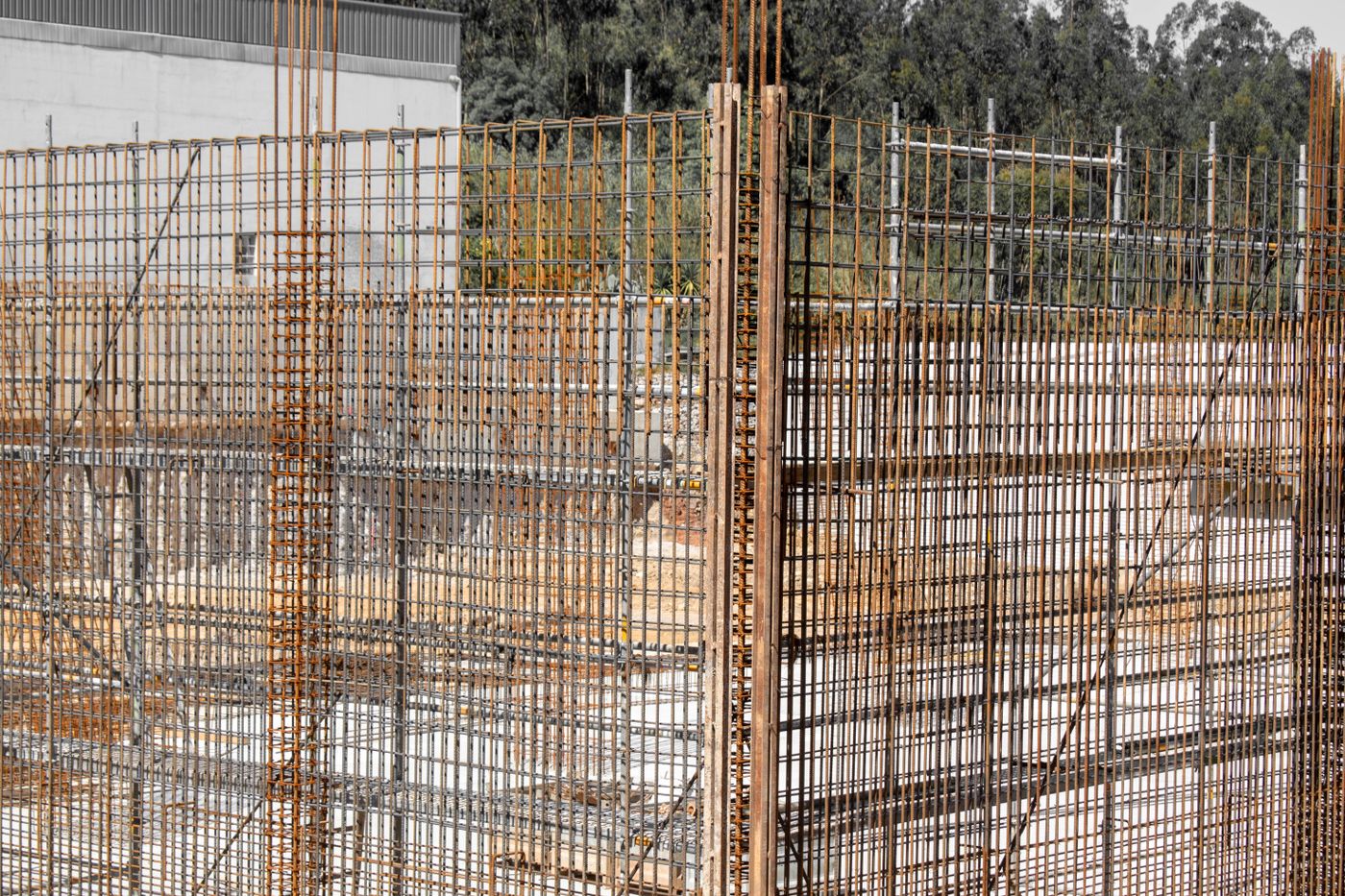
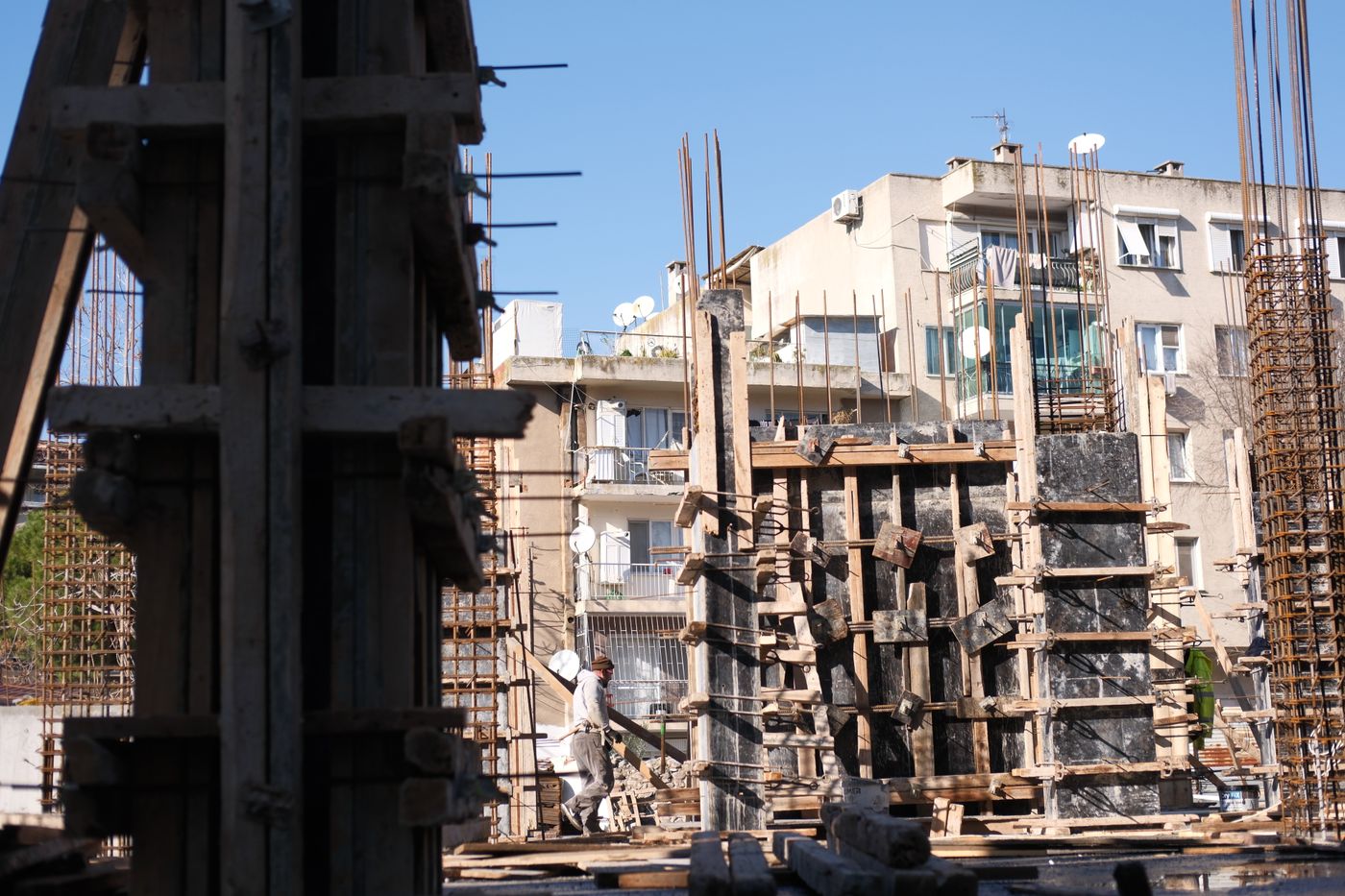
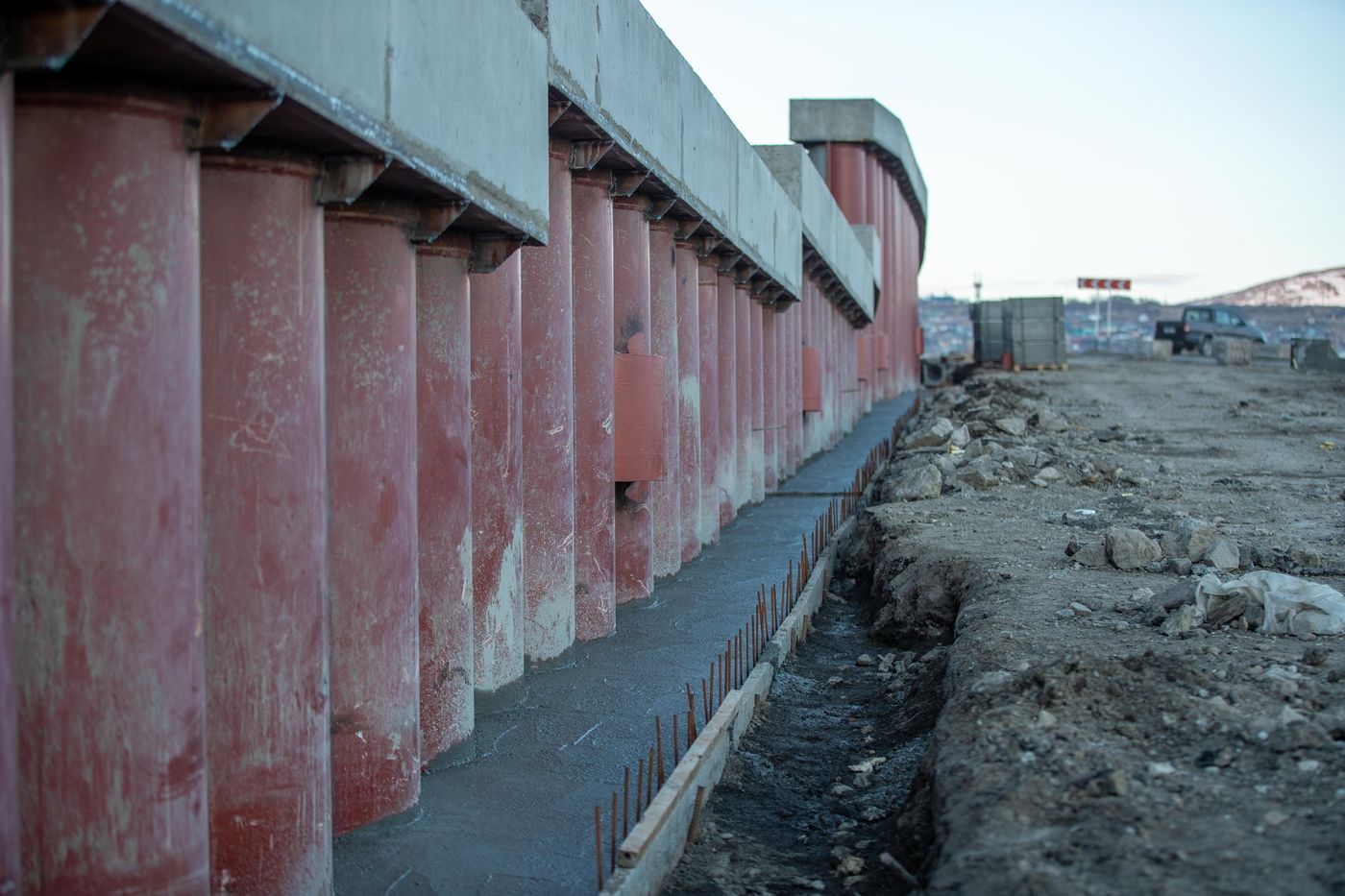
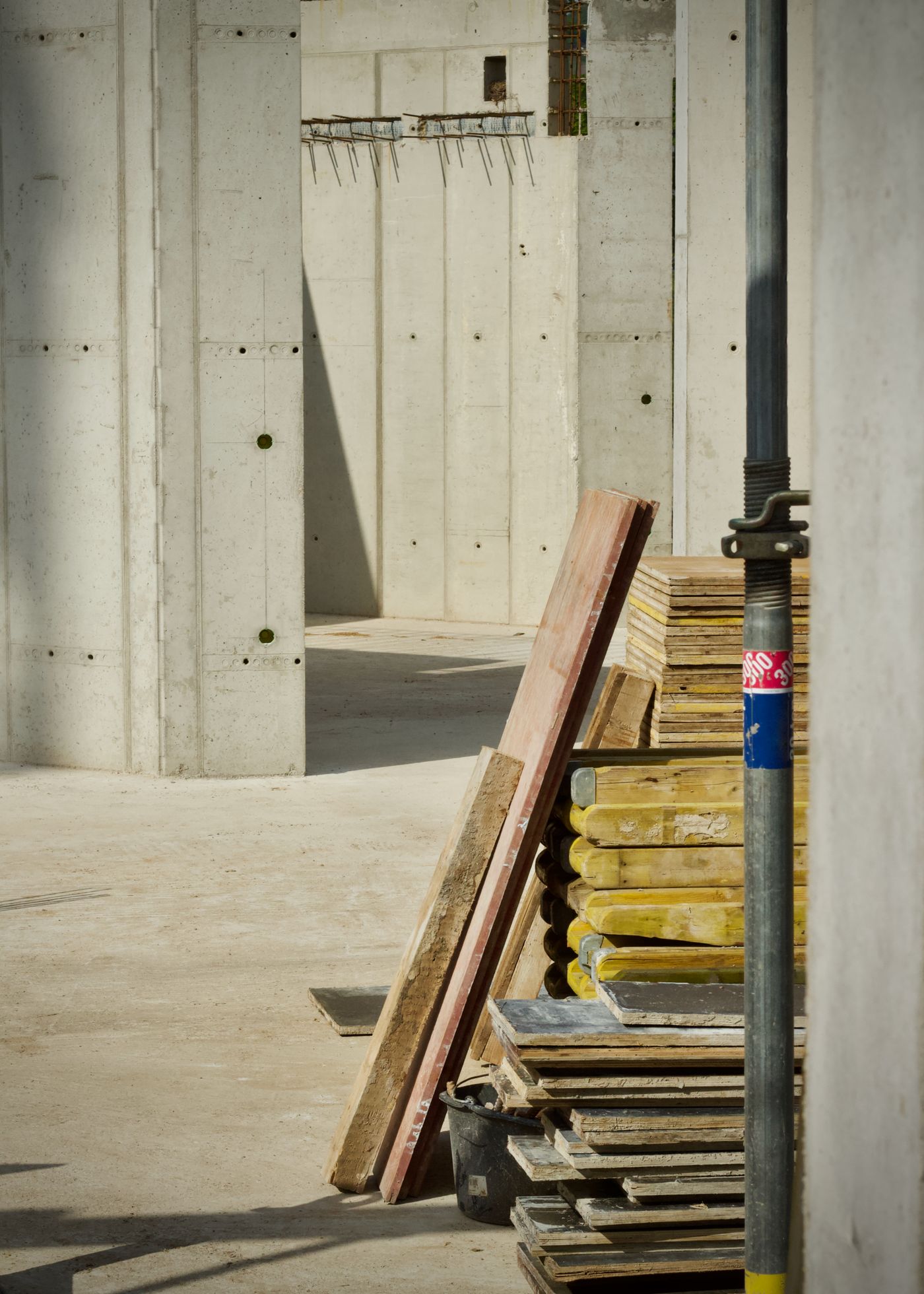
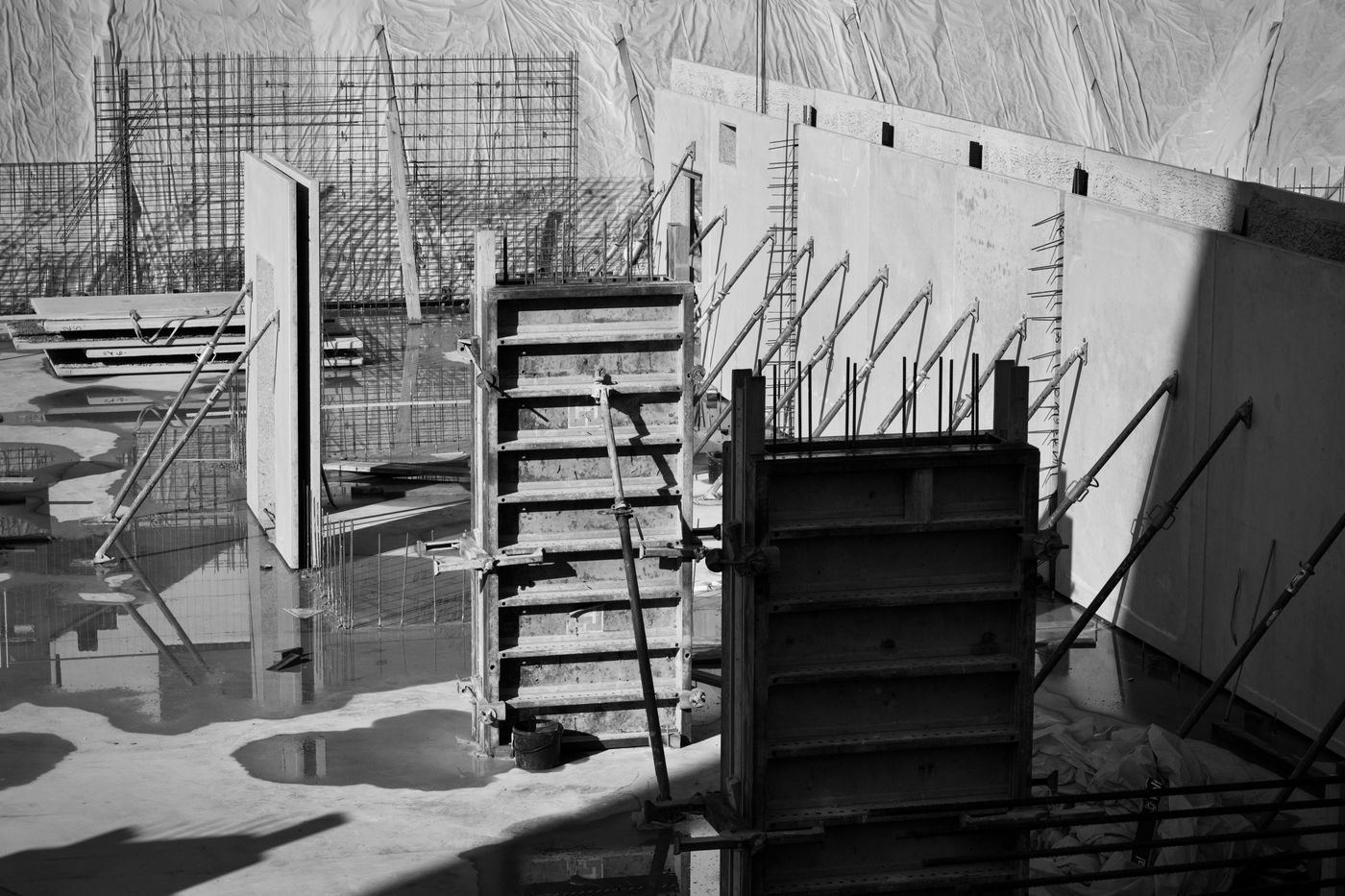
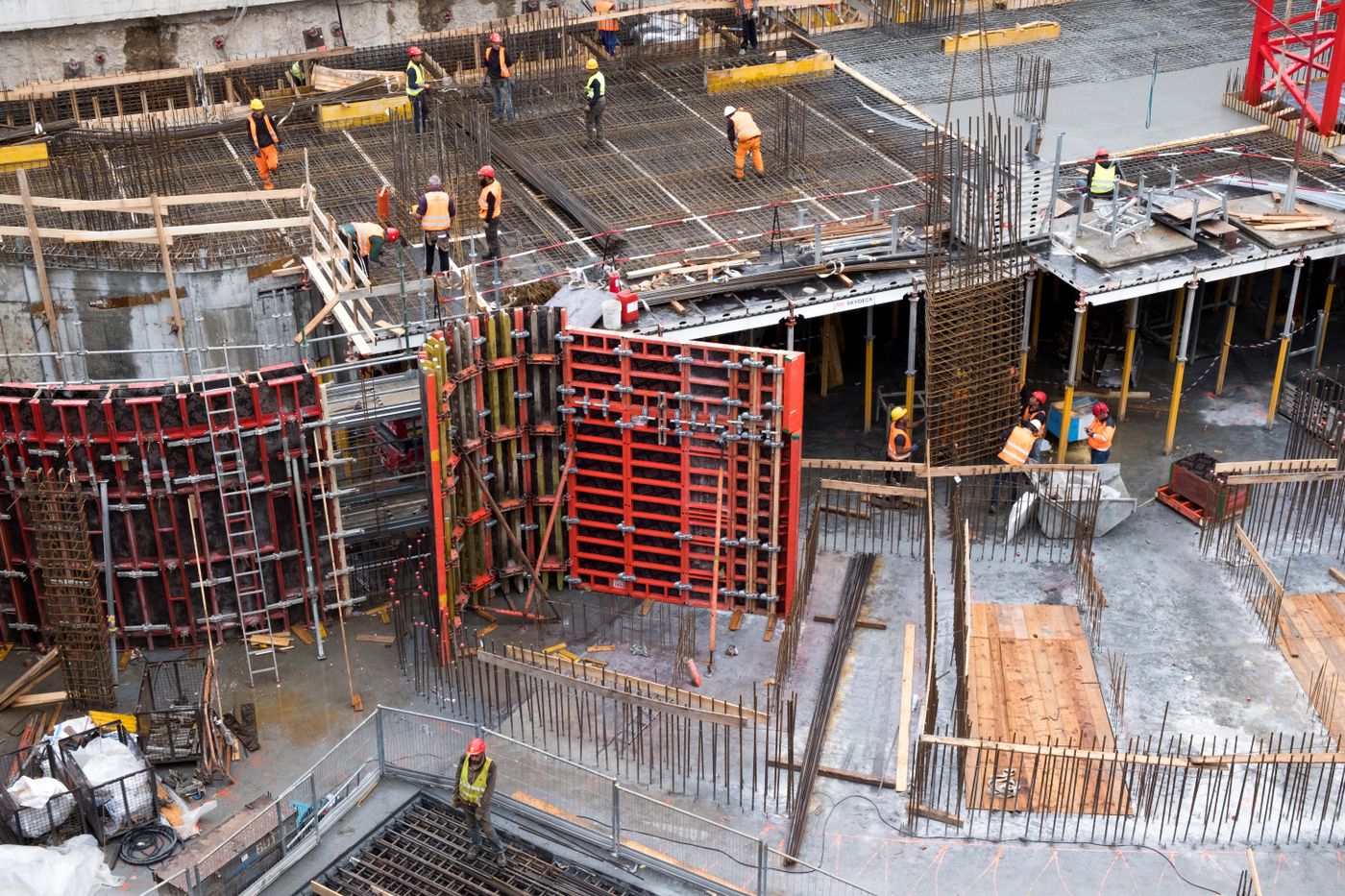
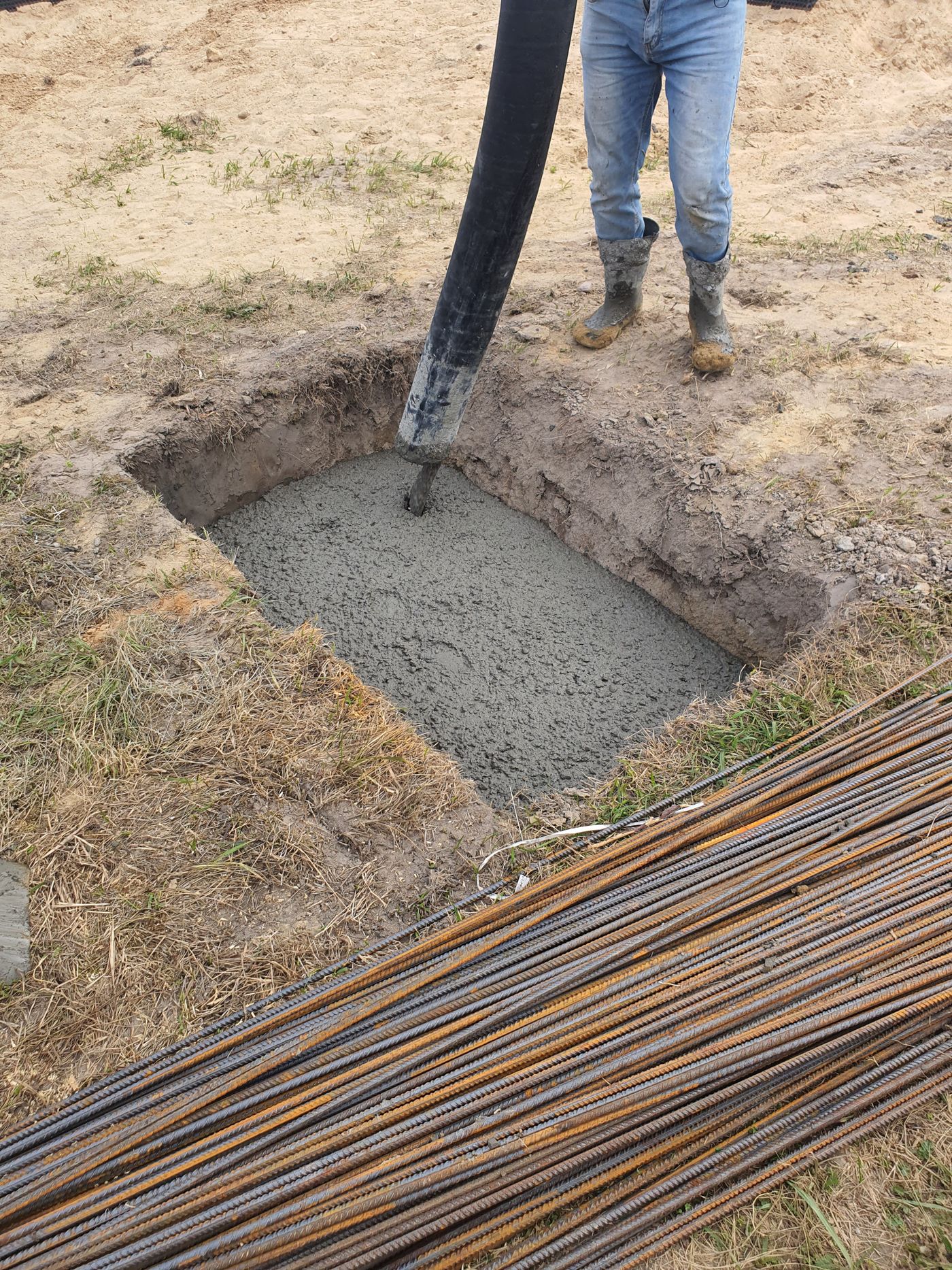
Cured concrete residue and form-release agent buildup removed from Steel gang forms (40), ride-on power trowel, mixer hopper by dry ice blasting, in place, without water or chemicals.
Before and after
Method and protection
Dry ice blasting (solid CO₂ media). The media sublimates on contact, so nothing is added to the surface and no secondary waste is created — only what came off has to be collected. No water, no solvents, no abrasive grit, and the substrate is not cut or profiled.
- Scope
- Yard day: steel gang forms, one ride-on trowel, one mixer hopper — cured residue and form-release buildup.
- Asset
- Steel gang forms (40), ride-on power trowel, mixer hopper
- Substrate
- steel and aluminum form faces; painted machine housings
- Build-up removed
- cured concrete residue and form-release agent buildup
- Method statement
- There is no industry standard governing surface cleaning of this kind, and this report does not claim one. What can be stated is the method: the media is frozen carbon dioxide, which sublimates on contact. It is non-abrasive and non-conductive, it adds no moisture and no chemistry, and it does not profile or dimension the substrate.
- Masking
- Adjacent surfaces and sensitive components masked before work began.
- Certification
- not recorded
Back in service
Checked back in service · No media or residue left behind
Forms restacked in rotation order and the trowel returned to the line — cleaned in the yard, on a day the equipment was already idle. No downtime was taken from a pour schedule.
This report records the physical removal of built-up soil from the surfaces listed, by dry ice blasting.
It is not a sanitation result and it is not a food-safety validation. No swabs or samples were taken and no laboratory analysis was performed.
Where a sanitation standard has to be demonstrated — by an auditor, an inspector or your own food-safety plan — have the surfaces validated by whoever owns that programme, after this cleaning.
What happens next
| Build-up returns at a rate set by what the equipment runs, not by the cleaning. Where there is service history, a recommended interval is set from it; on a first visit there is nothing to base one on and none is given. | Mile High Blasters |
| Where a sanitation standard has to be demonstrated — by an auditor, an inspector or your own food-safety plan — have the surfaces validated by whoever owns that programme, after this cleaning. | Facility / operations |
| Anything revealed once the soil came off — wear, corrosion, a failing seal — is photographed in this report and is for whoever maintains the asset. | Facility / operations |
What this report says, and what it does not
We removed what was on it
Dry ice blasting takes off the build-up without water, chemicals or grit. That is the whole job, and it is what these photographs record.
Clean is not sanitised
Those are two different services with two different kinds of proof. This is a cleaning record. If a standard has to be demonstrated, it needs a swab from whoever owns that programme.
The equipment is not certified by this
We cleaned the surfaces. We are not saying the machine is sound, in tolerance, or fit for any particular use — that belongs to whoever maintains it.
It will build up again
How fast is set by what you run, not by how well it was cleaned. A recommended interval is in this report where there is history to base one on.
- This report covers only the assets and surfaces listed in it. Anything not listed was not cleaned and was not inspected.
- The work removes surface build-up. It does not repair, recondition or certify the equipment underneath, and it does not address the reason the build-up formed.
- Conditions are recorded as they were on the date of service. Build-up returns with use, at a rate set by the process, not by the cleaning.
- Nothing was dismantled. Internal surfaces, closed housings and anything behind a fixed guard were not reached and are outside this report.
- No swabs or samples were taken and no laboratory analysis was performed as part of this work.
- Where masking is recorded, it protected the items named. Pre-existing damage, wear or corrosion revealed once soil was removed was already there and is documented, not caused.
The observations and work recorded in this report were made and performed by the undersigned.